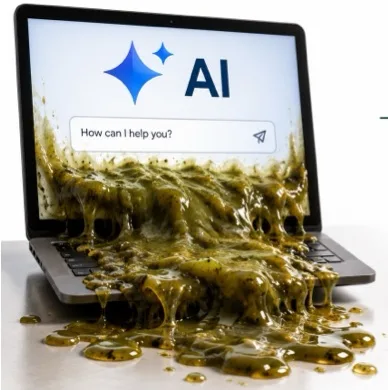
The AI slop phenomenon is real. The internet is littered with AI-generated content that makes you stop and wonder why it exists in the first place. The issue has even bled into the real world, where print and digital ads can sometimes lack the finesse and nuance we have come to expect from human-made work. While the term is often used to criticize AI-generated work, the real issue runs deeper.
We see this as less a problem with artificial intelligence itself and more a question of how we think about technology. As a digital-first agency, we have always had to stay ahead of how technology changes the way people behave, communicate, and consume content. That naturally means experimenting and finding ways to integrate tools into our processes. But technology has never been the method, but rather a means of making it more effective.
That distinction is critical. AI slop is a symptom of lazy thinking. When a tool can produce an answer in seconds, there is a temptation to accept the first answer simply because it exists. The ease and speed of getting an answer can create the illusion that the problem itself has been solved. But easier production does not inherently yield better work. Value comes from knowing precisely where technology can remove friction, and where human judgment must take the lead.
In that sense, prompting is closely tied to tactical objectives. AI needs the right context to yield the desired results effectively. The quality of its output depends on the quality of the thinking behind the prompt: the questions we ask, the perspective we bring and the problem we are trying to solve.
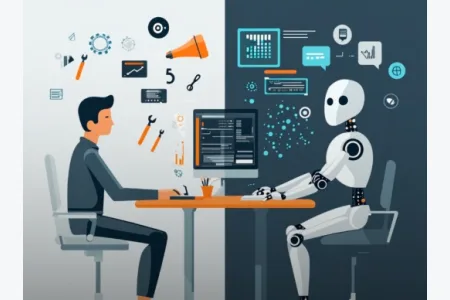
This is where human enhancement comes in. AI can support almost every stage of a creative workflow. Used thoughtfully, it handles the heavy lifting of processing and iteration, giving creative teams the space to challenge assumptions, refine the narrative, and deepen the thinking. AI’s value lies in its speed, but more importantly in giving people the bandwidth to do better work.
That starts with strategy, as it sits at the foundation of how the agency approaches problems, where people bring together the different pieces of a challenge, identify what matters, understand the audience and establish a direction. Those same inputs are the basis of prompting that allow AI to become genuinely useful. The stronger the foundation, the more deliberately AI can be prompted, challenged and directed throughout the process.
Creative problem-solving is rarely about reaching an answer as quickly as possible. It starts with asking the right questions, unearthing the human insight, and understanding cultural context. In that sense, prompting becomes an extension of human strategy that takes the lead, where AI supports through mapping possibilities.
This holistic view is amplified by our position within MENACOM Group. Wunderman Amman operates within a broader ecosystem of marketing expertise, giving its teams the ability to draw on different disciplines and perspectives when solving a client challenge. A 360-degree approach means looking beyond the immediate creative execution and considering how PR, media, digital, content and other capabilities can work together to solve the larger business problem.
AI will continue to change how we work, and agencies will need to evolve with it. But as the technology becomes more capable and more widely available, the human contribution will stand as the differentiator. The future of creative work will belong to those who pair the speed and scale of technology with the rigor and curiosity that only humans can provide. Ultimately, the answer to slop is not less AI. It is thoughtful strategic planning.